
Before Opening a Link
Look at the source, domain, permissions, and whether the page asks for details too early.
RummyBaazi India brings the main rummy questions into one place: how app access works, what 13-card rummy rules mean, how common modes differ, and what safety checks Indian users should keep in mind before entering details anywhere.
Quick Access
Choose the topic that matches your next step, whether that is checking a login page, learning a pure sequence, or comparing rummy modes.
Brand Overview
Readers who arrive through the rummybaazi name usually want practical answers before they open a link or enter account details.
This site keeps those answers organised around app access, rummy rules, login safety, download checks, and responsible play. It does not claim to operate an app or provide account support.
The focus is practical: what to check on a phone, why pure sequence matters, how modes differ, and when a login or download page should make you pause.
Look at the source, domain, permissions, and whether the page asks for details too early.
Android, iOS, and browser users need different checks before entering a phone number.
Start with pure sequence and valid declaration before judging speed or mode choice.
OTP, passwords, shared devices, and copied pages deserve attention before login.
App Experience
Cards, tables, and buttons are kept short enough for readers checking details on a mobile screen.
Points, Pool, Deals, and Practice each get their own explanation instead of being mixed into one paragraph.
Login notes focus on private codes, copied pages, shared phones, and details that should not be sent to strangers.
The learning order starts with pure sequence, then set, joker, declaration, and format-specific conditions.
Safety content talks about time boundaries, stress signals, and stepping away when play stops feeling controlled.
FAQ entries answer the immediate doubt and point readers to the page that covers the topic properly.
Game Modes Tabs
Fast table format where every move matters. Suitable for users who already understand sequences and sets.
Open full mode guide
A longer rummy format where players try to avoid reaching the pool limit.
Open full mode guide A fixed-deal format where users compare performance across limited rounds.
Open full mode guide A safer learning space for beginners to understand card grouping before joining competitive tables.
Open full mode guide How to Start
Confirm whether access is available in your region and allowed under current rules.
Avoid unknown APK files, fake login pages, and misleading download buttons.
Understand pure sequence, impure sequence, sets, jokers, and valid declaration.
Set limits and never treat card games as a financial plan.
Rules Snapshot
Use this quick rule board before opening the full beginner guide. Table-specific rules may differ, so always read the current format details.
 Read Full Rummy Rules
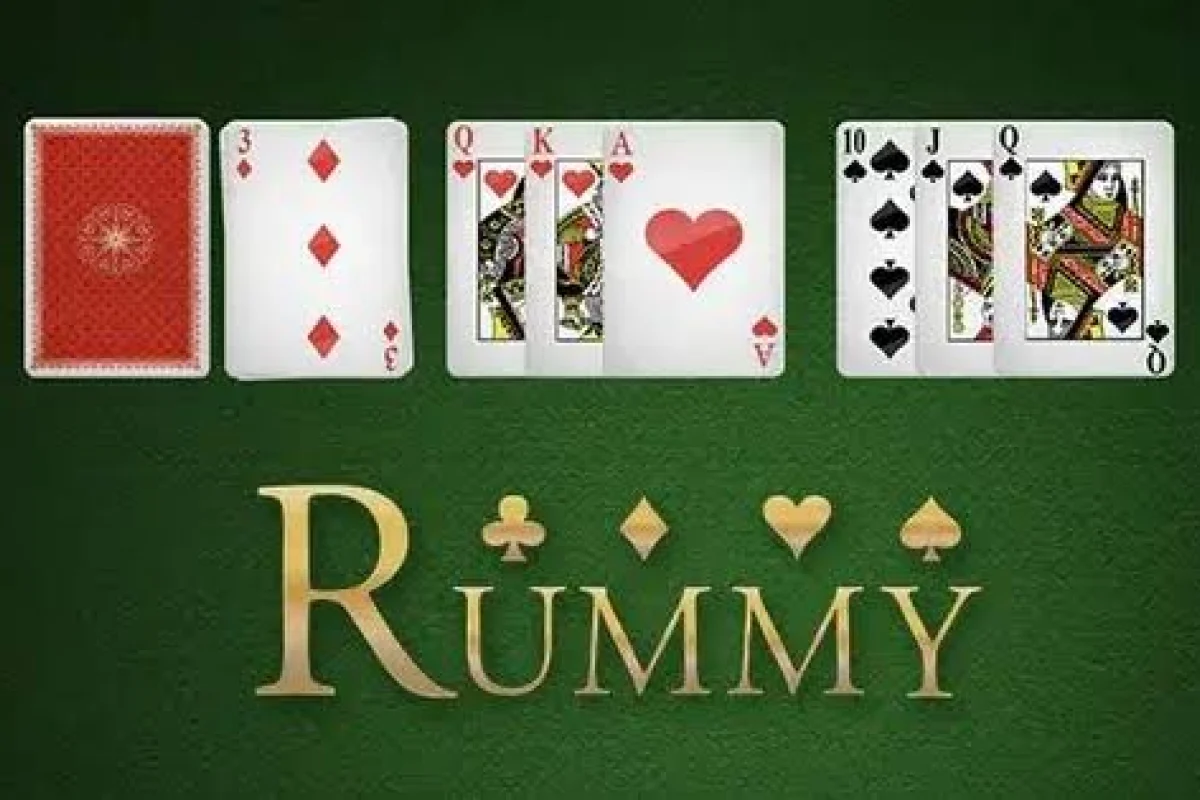
A same-suit run without a joker substitution. It is the first group beginners should protect.
A run that uses a joker or wild card to complete the sequence after the pure sequence is planned.
Three or four cards of the same rank from different suits, checked carefully before declaration.
A joker can help finish a group, but it should not hide a missing pure sequence.
An invalid hand can happen when a required sequence is missing or a group is arranged wrongly.
Some formats include drop rules. Read table-specific rules before choosing that option.
Safety & Trust
Rummy is meant for adults who can follow local rules, protect account access, and set personal limits. Use safety checks before game choices.

Reader Notes
Most questions start before a user signs in or opens an unfamiliar download page.
Start with source, domain, permissions, and whether the page asks for unnecessary details.
Learn pure sequence before using jokers or comparing game modes.
Points is usually quicker to understand; Pool needs more time and limit awareness.
Never share OTP with another person. Check the URL before entering details.
Player Search Needs
| User Need | What This Site Should Explain |
|---|---|
| App Access | Safe download and login guidance |
| Game Modes | Points, Pool, Deals, Practice |
| Beginner Rules | Sequence, set, joker, declaration |
| Account Safety | OTP, password, fake APK warning |
| Responsible Play | 18+, limits, local law awareness |
RummyBaazi is a brand term many Indian card-game readers look up when they want to understand what they are about to open on a phone. Some visitors are trying to learn whether a link looks safe. Others want to know how OTP login works, what a pure sequence means, or why Points Rummy feels different from Pool Rummy. This site keeps those questions together without pretending to operate an app, process accounts, or confirm live availability for every reader.
The useful starting point is simple: treat every app or login action as something worth checking. A familiar name on a page is not enough by itself. Before entering a mobile number, password, OTP, or recovery detail, look at the domain, spelling, permission prompts, and whether the page is asking for more information than the action requires.
Most app questions are practical. Android users may see APK files, browser warnings, or permission screens. iOS users may find that the experience is browser based instead of file based. Mobile browser users still need to check the URL before typing private details. None of these checks prove a platform is safe; they simply reduce obvious mistakes such as opening copied pages, installing unknown files, or saving passwords on a shared phone.
A careful reader should ask: where did this link come from, does the file name match the source, does the page request OTP too early, and do the requested permissions make sense? If a download prompt feels urgent or a login screen appears from a forwarded message, slowing down is the better choice.
Rummy is easier to understand when the hand is sorted before any mode is compared. In 13-card rummy, players usually look for a pure sequence first. A pure sequence is a run of consecutive cards from the same suit without a joker, such as 7S 8S 9S. After that, the remaining cards can be arranged into an impure sequence or a set. A set uses the same rank from different suits, such as QC QH QS.
Jokers help complete groups, but they do not remove the need to understand pure sequence requirements. New players often jump straight to modes because Points, Pool, and Deals sound different. The better order is rules first, then mode comparison. Once sequence, set, joker, and declaration checks make sense, the differences between formats become easier to read.
Points Rummy is usually quicker and more compact, so mistakes can show up fast. Pool Rummy can last longer because players try to stay below a point limit, which means time boundaries matter. Deals Rummy uses a fixed number of rounds, so score awareness across those rounds is important. Practice-style learning is the easiest first stop for beginners because it gives space to understand grouping before moving into faster formats.
No mode should be treated as a shortcut or a financial plan. The mode choice should depend on rule comfort, available time, local access conditions, and whether the player can stop at a planned limit.
Login checks are about privacy. OTPs should not be shared with another person. Passwords should not be reused across unknown pages. Recovery details and screenshots should not be sent through messages. Fake login pages can copy colours and buttons, but odd domains, spelling errors, forced pop-ups, and unusual permission requests are common warning signs.
Download checks are about the device. Unknown APK files can create account and phone risk. Review SMS, contacts, storage, notifications, and background access permissions. A permission that feels unrelated is enough reason to stop. Browser access may avoid installing a file, but the same URL and login checks still matter.
Rummy content is for adults. Readers should follow the rules that apply where they live and avoid access if they are underage or restricted. Before any session, set a time limit. Stop when the limit is reached, and pause if the experience feels stressful, secretive, rushed, or hard to leave. Card games should never be treated as a way to recover losses or solve money problems.
The safest reading path on this site is to begin with the app page, check the download and login sections, learn the rules, then compare game modes. If a question is still unclear, the FAQ gives short answers and points to the relevant section. The whole site keeps the same boundary: 18+ only, follow local rules, and treat the content as information rather than legal or financial advice.
FAQ
RummyBaazi India covers the brand term from a reader’s point of view: app access checks, login safety, rummy rules, game modes, and safer play habits. It does not handle accounts or app files.
Access can differ by region, platform, source, and current rules. Do not rely on old screenshots or forwarded links when checking any rummy app.
Begin with the app page, then review the source, URL, device permissions, and login prompts before entering a mobile number or OTP.
It is a format where 13 cards are arranged into sequences and sets. Beginners usually learn pure sequence first because it affects declaration validity.
Points is usually quicker, Pool often runs longer, and Deals uses fixed rounds. Practice-style learning is better before comparing competitive formats.
No website can confirm live platform safety for every user. Check the source, keep OTPs private, avoid copied pages, and follow rules where you are located.
Yes. The rules section shows pure sequence, impure sequence, set, joker, declaration checks, and beginner mistakes in plain terms.
Check the domain, file name, permissions, browser warnings, and whether the page asks for OTP or personal details before the source is clear.